Metatarsalgia / Forefoot Pain
Sports & Family Podiatry

Experiencing a persistent burning pain in the ball of your foot or a sharp pain in your forefoot can significantly impact your daily life, making simple activities like walking, running, or standing at work incredibly challenging. Because the front of the foot absorbs the majority of your body weight during movement, ignoring these early warning signs often leads to worsening tissue damage and prolonged recovery times.
At SAF Podiatry, we provide advanced, evidence-based forefoot pain treatment Brisbane families and athletes can rely on. Operating from our brand-new health facility in Carina, our clinical team brings over 20 years of lower-limb musculoskeletal experience to help you find relief and return to your active lifestyle.
As a preferred provider for Medibank, we are committed to delivering highly personalised care, offering both experienced male and female podiatrists to ensure your comfort. If you are ready to identify the root cause of your foot pain, you can schedule a comprehensive biomechanical assessment at our Carina clinic today.
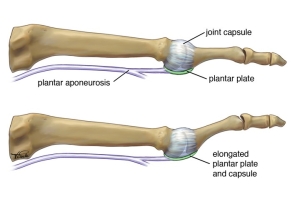
Metatarsalgia is a broad clinical term used to describe pain and inflammation concentrated in the forefoot region (the ball of the foot). Rather than a single disease, it is typically a warning signal that the delicate structures beneath your metatarsal bones are being overloaded.
The most common underlying causes of this condition include:
Typically, this pain is localized under the ball of the foot, often restricted to an area no larger than a 20-cent coin. The discomfort generally intensifies the longer you remain standing or walking on hard surfaces, and it may be accompanied by swelling, a tingling sensation in your toes, or a noticeable spreading of your second and third toes.
A common mistake made by active individuals is attempting to push through the pain or waiting for the condition to resolve on its own. Because plantar plate injuries and bursitis are mechanical issues caused by repetitive loading, they rarely settle without targeted clinical intervention.
If left untreated, chronic forefoot overload can cause:
To deliver a long-term solution, our clinical team focuses on identifying and correcting the precise mechanical issues that caused your injury in the first place. When you consult an experienced podiatrist for metatarsalgia at SAF Podiatry, your recovery plan is supported by premium diagnostic and rehabilitation tools:
Our therapeutic options may also incorporate initial activity modification, targeted ice therapy, compression taping, footwear modifications, and close collaboration with your broader sports medicine network to ensure a seamless recovery.
Do not let persistent forefoot pain limit your mobility or keep you from the activities you love. Our experienced podiatry team is here to provide the clear guidance, advanced technology, and personalized care you need to recover safely.
We welcome patients from Carina, Bayside, the Brisbane CBD, and surrounding local areas. Contact our friendly administrative team today to arrange your comprehensive consultation or book your appointment online.
Do I need a GP referral to see a podiatrist for metatarsalgia?
No, you do not require a referral from a General Practitioner to book an appointment with SAF Podiatry. You can book directly with us as a private patient. However, if you are eligible for podiatry services under a Chronic Disease Management Plan (formerly EPC), you will need to obtain a valid referral from your GP prior to your consultation.
How does Paromed Orthotic Technology help with forefoot pain?
Traditional orthotics are often designed from plaster casts, which can miss subtle pressure points. Our Paromed system uses highly advanced digital scans to capture your foot’s structural layout dynamically. This allows our podiatrists to design custom orthotics with millimetre precision, creating specialized offloading zones directly beneath your sore joints to accelerate your metatarsalgia treatment.
What is the typical timeframe for forefoot pain recovery?
Because recovery times depend on the specific severity of the tissue damage (such as whether a plantar plate is inflamed, partially torn, or completely ruptured), there is no single timeline. Most patients experiencing mild to moderate metatarsalgia notice a significant reduction in pain within 4 to 6 weeks of starting a structured treatment plan, including wearing custom orthotics and completing rehabilitation exercises.