Medial Tibial Stress Syndrome / Shin Splints
Sports & Family Podiatry

Suffering from a persistent ache or a sharp, throbbing pain along the front of your lower legs can quickly sideline you from your favorite sports, fitness routines, or daily walks. Often referred to under the broad term of shin splints, this condition can make even simple steps feel incredibly uncomfortable. If you are active, finding a long-term solution requires identifying the precise physical stressors loading your lower legs.
At SAF Podiatry, we specialize in delivering evidence-based, customized shin splints treatment Brisbane athletes and active families can count on. Operating from our brand-new, modern health facility in Carina, our experienced clinical team brings 20 years of industry experience to lower-limb sports medicine.
We provide a comprehensive approach to rehab, utilising our on-site gym and state-of-the-art diagnostic tools to address the mechanical causes of your pain. If you are ready to stop managing symptoms and start targeting the cause of your injury, you can schedule an individualised biomechanical evaluation with an experienced sports podiatrist brisbane runner’s trust today.
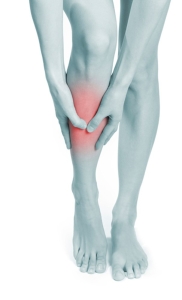
While “shin splints” is a common term used by runners, the correct clinical diagnosis is often Medial Tibial Stress Syndrome (MTSS). This condition involves pain along the inner edge of your shin bone (the tibia), caused by repetitive stress and overload where the muscles and connective tissues attach to the bone.
When you run or jump, high impact forces are transmitted up through your feet and lower legs. If your body is unable to absorb these forces efficiently, it can lead to micro-damage:
Typically, this pain is felt over a broad section of the lower leg rather than a single point. In the early stages, the discomfort might fade as you warm up, only to return with a sharp, throbbing sensation after you finish exercising.
A common and highly risky habit among athletes is attempting to run through lower leg discomfort, often relying on pain relief medication or ice to temporarily mask the symptoms. Because MTSS is a progressive bone and soft-tissue loading injury, ignoring these signals can lead to severe structural complications.
If you continue high-impact training without seeking professional shin pain from running treatment, you run the risk of:
Effective, long-term medial tibial stress syndrome treatment requires moving past passive rest and ice. To ensure you can return to running safely and confidently, our clinical team focuses on identifying and correcting the precise movement errors loading your shins.
When you consult a podiatrist for shin splints at our Carina clinic, your rehabilitation plan is designed to incorporate advanced diagnostic and physical training assets:
Depending on your assessment, your rehabilitation pathway may also include temporary activity modification, physical therapy exercises, footwear advice, and a structured, gradual return-to-run program.
Do not let persistent shin pain keep you on the sidelines or ruin your running goals. Our experienced podiatry team is here to provide the clear assessments, advanced orthotics, and active rehabilitation you need to return to sport safely.
We welcome patients from Carina, Bayside, the Brisbane CBD, and surrounding communities. Contact our friendly administrative team today to arrange your comprehensive assessment or book your appointment online.
How can a podiatrist for shin splints help me recover?
A podiatrist evaluates the structural mechanics of your feet, ankles, and legs. By performing detailed walking and running analyses, we can identify if issues like flat feet, rigid arches, or muscle weaknesses are causing your shin bones to absorb excessive force. We then use a combination of custom orthotics, footwear adjustments, and strength exercises to relieve the stress on your shins.
What is the difference between shin splints and a tibial stress fracture?
Medial Tibial Stress Syndrome (shin splints) is characterized by diffuse, spreading pain and tenderness along the inner border of your shin bone, often easing slightly after a warm-up. A tibial stress fracture is a physical crack in the bone, presenting as a sharp, intense pain localized to a single point that hurts continuously, even when resting or walking. If we suspect a stress fracture, we will refer you for appropriate imaging to ensure an accurate diagnosis.
How do custom orthotics help with shin pain from running treatment?
When your foot rolls inward excessively (over-pronation), it causes the tibia to twist, placing extra strain on the surrounding muscles and shin bone. Our customized Paromed orthotics are designed using high-resolution digital scans to support your arches, control this rotational movement, and evenly distribute impact forces, giving your inflamed tissues the physical relief they need to heal.
How long does shin splints treatment typically take?
Because recovery times are heavily influenced by the duration of your symptoms and your baseline tissue strength, there is no single recovery timeline. Most patients experiencing mild to moderate shin splints notice a significant improvement within 4 to 8 weeks of starting a structured rehabilitation plan, which includes using custom orthotics and completing targeted calf and foot strengthening exercises.