
Bunions / Big Toe Joint Pain
Sports & Family Podiatry
Sports & Family Podiatry
What are they?
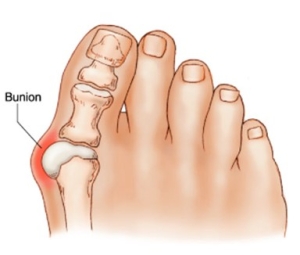
Bunions are big toe deformities that are commonly seen by Podiatrists. They are often seen as a bony lump near the base of the big toe joint and deviation of the big toe towards the second toe. This can eventually lead to painful osteoarthritis within the joint.
The first toe joint plays an extremely important role in how we function during walking and running, and changes to this joint can reflect further than the foot itself (e.g. knee and hip pain).
How Does it Happen?
Bunions can be caused from a number of factors. These include:
What should you do if you have a bunion or big toe joint pain?
You should seek help from your podiatrist who can help diagnose and develop an appropriate treatment plan. If untreated bunion deformities can worsen and lead to other joints and toes of the feet being damaged.
Management
An early conservative management is important, all depending on the individual and stage of the deformity. Re-aligning the foot with the aid of an orthotic can prevent further degeneration and pain. Along with this, a change of footwear may help decrease the pressure and compliment the orthotics. Foot mobilisation therapy and specific exercises are also often prescribed to improve joint function. Surgical correction of the bunion is another option but should only be considered if the conservative measures have failed.
56 Zahel St, Carina QLD 4152
Sports & Family Podiatry
Clem Jones Wellness Precinct
56 Zahel St, Carina QLD 4152
F (07) 3156 9917
Mon/Tue/Wed/Thursday/Fri:
8:00am – 6:00pm
Sat:
9am-12pm
Sun:
Closed





joint, bone, health, pain, analgesic, shoe, foot, toe, surgery, gout, hallux rigidus, ball, medication, inflammation, disease, osteophyte, cartilage, ankle, physical therapy, rheumatoid arthritis, stiffness, cheilectomy, exercise, sprain, podiatrist, surgeon, pressure, patient, arthrodesis, risk, physical examination, tissue, range of motion, toe box, footwear, tendon, arthroplasty, injury, weight, stress, physician, boot, nail, ice, diabetes, corticosteroid, rocker bottom shoe, wear, heel, wear and tear, ligament, motion, sport, sesamoiditis, skin, soft tissue, paracetamol, weight loss, diet, blood, screw, injection, anatomy, sesamoid bone, knee, broken toe, acid, artificial turf, rheumatology, psoriasis, exostosis, research, bursitis, ibuprofen, type 2 diabetes, menopause, pain management, crystal, hypertension, psoriatic arthritis, nutrition, strain, medical imaging, multiple sclerosis, drug, first metatarsal bone, stress fracture, clinic, purine, cortisone, nonsteroidal, callus, mental health, orthopedic surgery, metatarsal bones, splint, health care, shape, anesthesia, medicine, irritation, metatarsalgia, american academy of orthopaedic surgeons, angle, ligamentous laxity, naproxen, biomechanics, nerve, gait, systematic review, muscle, exam, unequal leg length
big toe joint pain, bunions treatment near me, Pain in big toe, bunion brisbane
Bunions and big toe joint pain can significantly impact mobility and quality of life. Understanding the nature of these conditions is crucial for effective management. A bunion, medically known as hallux valgus, is a bony bump that forms at the base of the big toe, causing it to angle towards the second toe. This misalignment can lead to pain, swelling, and difficulty wearing shoes, necessitating timely intervention from a podiatrist.
Early diagnosis and treatment are essential to prevent worsening symptoms and complications. The progression of bunions can lead to arthritis or chronic pain, making it vital to seek professional advice. Treatment options range from conservative measures, such as orthotics and lifestyle changes, to surgical interventions in more severe cases. Consulting with a podiatrist can help tailor a treatment plan to individual needs, ensuring optimal outcomes.
The development of bunions and associated pain can be attributed to various factors, including genetic predisposition, footwear choices, and foot structure. Tight, high-heeled shoes often exacerbate bunion formation by placing excessive pressure on the toe joint. Additionally, certain medical conditions, such as arthritis or neuromuscular disorders, can contribute to the misalignment of the big toe.
Understanding these causes is vital for prevention and management. For instance, individuals with a family history of bunions may benefit from early intervention strategies, such as choosing appropriate footwear and engaging in foot-strengthening exercises. Regular check-ups with a podiatrist can help monitor foot health and provide guidance on maintaining proper foot mechanics.
Common symptoms of bunions include pain and tenderness at the site of the bump, swelling, and difficulty moving the big toe. In some cases, the skin over the bunion may become red and inflamed. Recognizing these symptoms early can lead to prompt treatment, which is crucial for avoiding further complications.
If you experience persistent pain or notice a change in the alignment of your toe, it’s essential to consult a podiatrist. Early intervention can help alleviate discomfort and prevent the progression of the condition. Treatment may involve conservative measures, such as changes in footwear and the use of orthotics, or surgical options for more severe cases.
Treatment for bunions varies based on the severity of the condition. Initial management often includes conservative approaches such as wearing wider shoes, using orthotic devices, and engaging in foot exercises to improve flexibility and strength. These methods can alleviate symptoms and slow the progression of the bunion.
For individuals with severe pain or deformity, surgical intervention may be necessary. Various surgical techniques can correct the alignment of the toe and relieve pressure on the joint. A podiatrist can provide a comprehensive evaluation to determine the most appropriate treatment plan tailored to the patient's specific needs and lifestyle.